Golden Tips for Hair Care and Reducing Hair Loss at Home
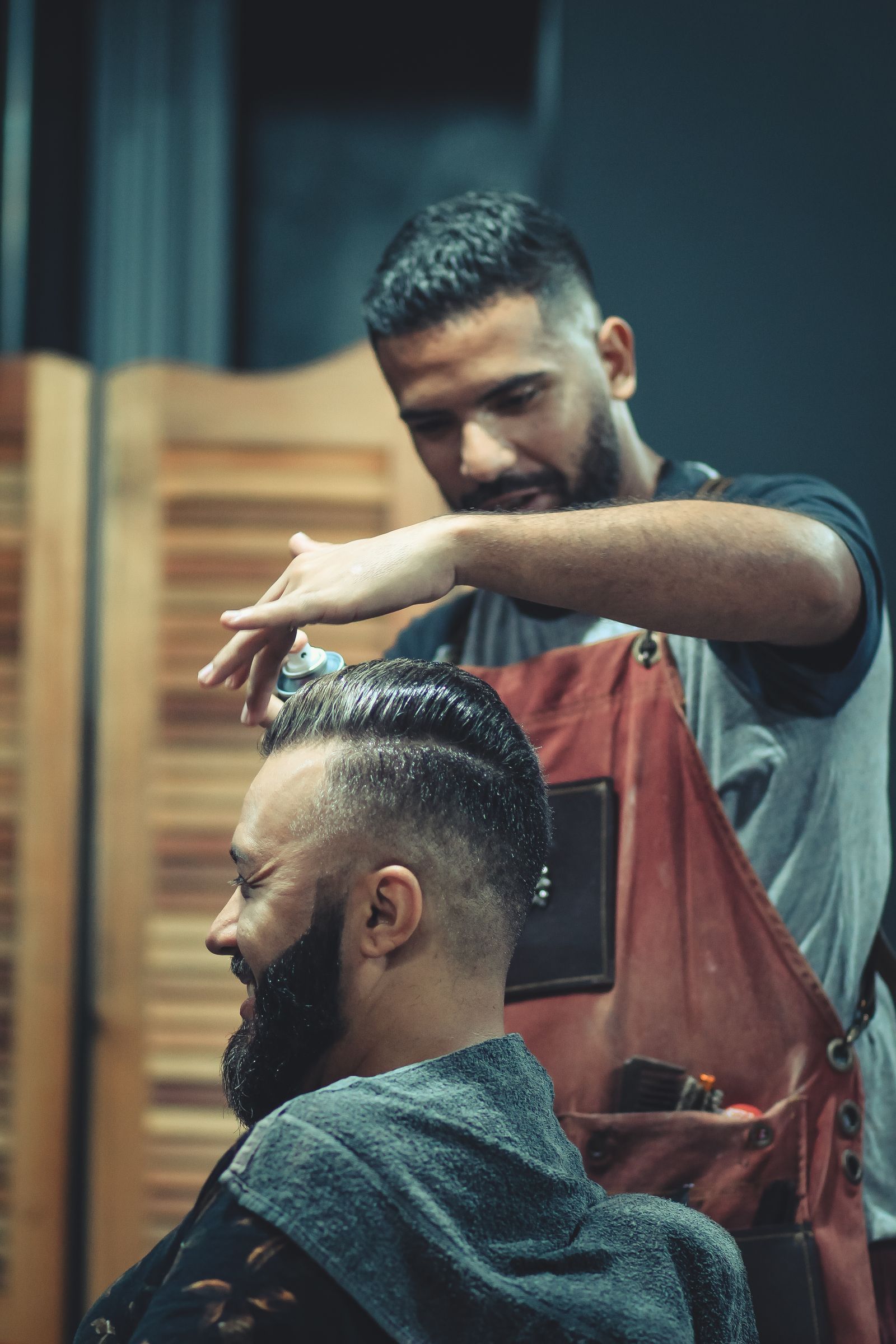
You notice extra strands on your pillow every morning, or in the brush after every use, and you start worrying without really knowing where to begin fixing it. Hair loss is an extremely common issue, influenced by many factors: stress, diet, seasonal changes, and also — something many overlook — the quality of the tools we use on our hair every day. The good news is that a large part of the problem can improve with simple habits at home, without expensive products or repeated clinic visits.
✅ Brushing the wrong way causes more shedding than you'd think
Brushing wet hair right after a shower is one of the most damaging habits for the roots, because hair is at its weakest when it's wet. Gentle brushing with the right tool, starting from the ends toward the roots instead of the other way around, significantly reduces breakage and shedding caused by direct pulling. A soft-bristle brush designed to distribute pressure evenly makes a noticeable difference within just a few weeks.
✅ Daily scalp massage isn't just a treat
Massaging the scalp for a few minutes daily boosts blood circulation in the area, which helps nourish hair follicles better. You can do this in the shower with your fingers, or with a brush specifically designed to combine brushing and massaging in one step — a simple habit that fits into a daily routine with no real extra time needed.
✅ Nutrition shows up in your hair before it shows up in the mirror
A lack of certain vitamins and minerals, especially iron, zinc, and vitamin D, is a common cause of hair loss that has nothing to do with the tools you use. A balanced diet rich in protein and dark leafy greens supports hair health from the inside — a step that complements external care rather than replacing it, and vice versa.
✅ Cut back on heat and direct tension
A hot hairdryer used daily and tightly pulled hairstyles weaken the roots over time. Try to let your hair air-dry naturally whenever possible, and if you use heat styling tools, keep the temperature moderate, giving your hair a few days a week with zero heat intervention at all.
✅ Patience is part of the treatment
The hair growth cycle takes months, so no routine improvement shows up in a week or two. Sticking to simple, consistent habits for at least two to three months is what actually makes a real difference, rather than trying a new product every two weeks and getting discouraged by the lack of instant results.
✅ Pick the right brush for your hair type
Not all brushes are the same: thick hair needs slightly spaced-out bristles to avoid excessive pulling, while fine hair needs very soft bristles that won't break at the slightest friction. Using a brush that doesn't suit your hair type, even an expensive one, can cause more damage than a simple brush that's properly designed to distribute pressure evenly. Clean the accumulated hair out of your brush at least once a week, since bristles clogged with old hair lose their massaging effectiveness and transfer dirt onto a clean scalp after every shower. This simple detail is often overlooked, despite its direct impact on the outcome of any hair care routine, no matter how good it otherwise is.
✅ Avoid these nighttime habits that quietly damage your hair
Sleeping with hair tied tightly or in an overly tight braid puts continuous pulling pressure on the roots throughout the night, and that pressure builds up over time even if it seems harmless on any single night. Swapping a cotton pillowcase for a silk or satin one reduces the friction that causes breakage and tangling during natural movement in sleep, a simple change that makes a noticeable difference within just a few weeks. Also avoid sleeping with hair completely wet, since it's at its weakest point then and far more prone to breaking from repeated contact with the pillow all night. Gently tying hair in a loose braid or with a soft fabric scrunchie before bed protects the ends and reduces morning tangles, which otherwise force you to brush harder than necessary.
Healthy hair isn't built with a single product, but with small habits repeated every day.
A tool to help you start today
Click here Professional Hair Brush — a design that distributes pressure evenly and reduces breakage with every use, suitable for daily use at home.
✅ Brushing the wrong way causes more shedding than you'd think
Brushing wet hair right after a shower is one of the most damaging habits for the roots, because hair is at its weakest when it's wet. Gentle brushing with the right tool, starting from the ends toward the roots instead of the other way around, significantly reduces breakage and shedding caused by direct pulling. A soft-bristle brush designed to distribute pressure evenly makes a noticeable difference within just a few weeks.
✅ Daily scalp massage isn't just a treat
Massaging the scalp for a few minutes daily boosts blood circulation in the area, which helps nourish hair follicles better. You can do this in the shower with your fingers, or with a brush specifically designed to combine brushing and massaging in one step — a simple habit that fits into a daily routine with no real extra time needed.
✅ Nutrition shows up in your hair before it shows up in the mirror
A lack of certain vitamins and minerals, especially iron, zinc, and vitamin D, is a common cause of hair loss that has nothing to do with the tools you use. A balanced diet rich in protein and dark leafy greens supports hair health from the inside — a step that complements external care rather than replacing it, and vice versa.
✅ Cut back on heat and direct tension
A hot hairdryer used daily and tightly pulled hairstyles weaken the roots over time. Try to let your hair air-dry naturally whenever possible, and if you use heat styling tools, keep the temperature moderate, giving your hair a few days a week with zero heat intervention at all.
✅ Patience is part of the treatment
The hair growth cycle takes months, so no routine improvement shows up in a week or two. Sticking to simple, consistent habits for at least two to three months is what actually makes a real difference, rather than trying a new product every two weeks and getting discouraged by the lack of instant results.
✅ Pick the right brush for your hair type
Not all brushes are the same: thick hair needs slightly spaced-out bristles to avoid excessive pulling, while fine hair needs very soft bristles that won't break at the slightest friction. Using a brush that doesn't suit your hair type, even an expensive one, can cause more damage than a simple brush that's properly designed to distribute pressure evenly. Clean the accumulated hair out of your brush at least once a week, since bristles clogged with old hair lose their massaging effectiveness and transfer dirt onto a clean scalp after every shower. This simple detail is often overlooked, despite its direct impact on the outcome of any hair care routine, no matter how good it otherwise is.
✅ Avoid these nighttime habits that quietly damage your hair
Sleeping with hair tied tightly or in an overly tight braid puts continuous pulling pressure on the roots throughout the night, and that pressure builds up over time even if it seems harmless on any single night. Swapping a cotton pillowcase for a silk or satin one reduces the friction that causes breakage and tangling during natural movement in sleep, a simple change that makes a noticeable difference within just a few weeks. Also avoid sleeping with hair completely wet, since it's at its weakest point then and far more prone to breaking from repeated contact with the pillow all night. Gently tying hair in a loose braid or with a soft fabric scrunchie before bed protects the ends and reduces morning tangles, which otherwise force you to brush harder than necessary.
Healthy hair isn't built with a single product, but with small habits repeated every day.
A tool to help you start today
Click here Professional Hair Brush — a design that distributes pressure evenly and reduces breakage with every use, suitable for daily use at home.
