How to Choose the Perfect Backpack for Travel, Study and Work
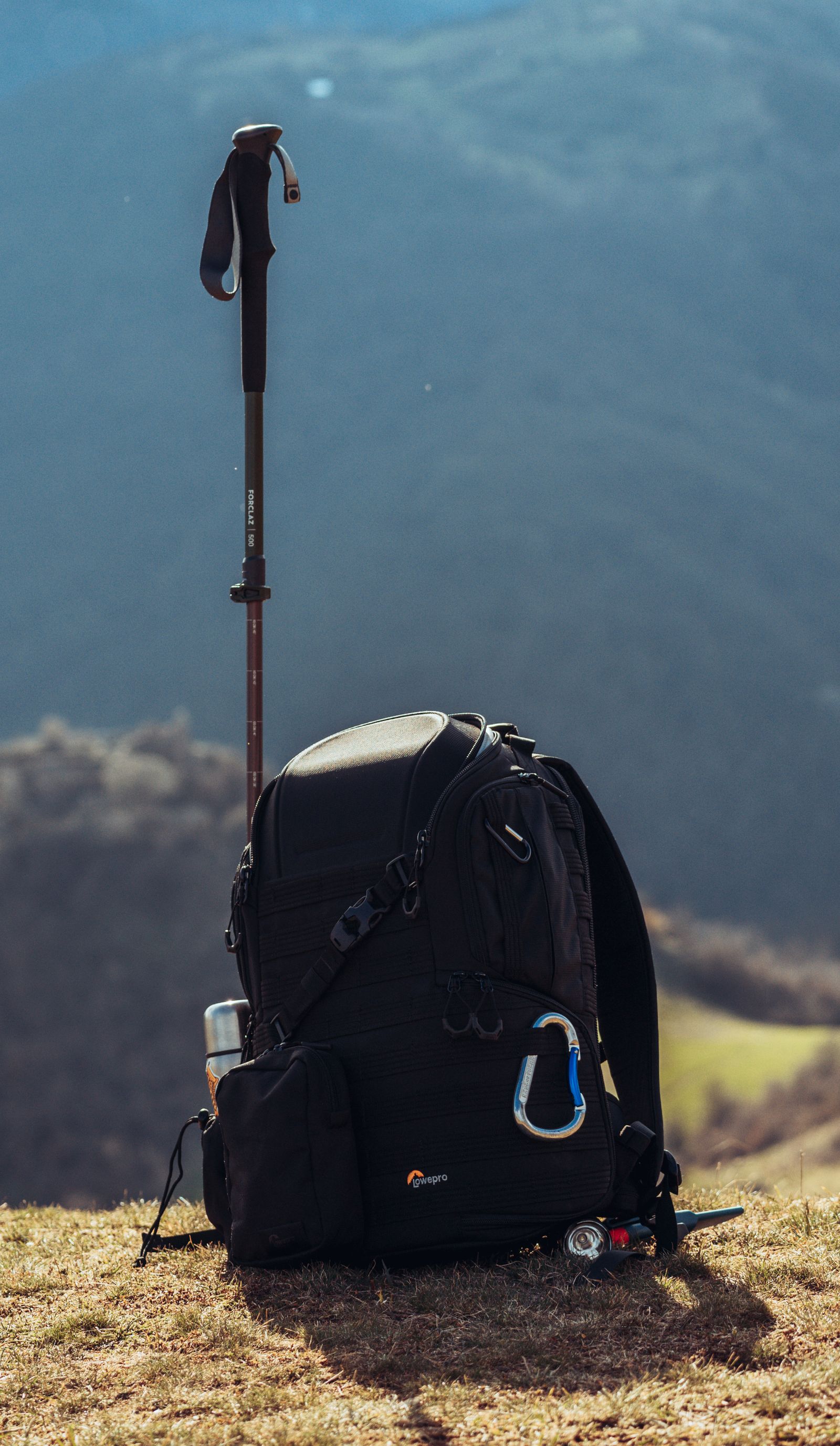
Buying a backpack seems simple enough, until the zipper breaks after two weeks, your papers get soaked on the first rainy day, or your shoulders start aching after just half an hour of walking. The bag we carry every day directly affects our comfort, whether we're students commuting between university and home, employees carrying a laptop every morning, or travelers looking for a companion that can handle a long trip. In this article, we break down exactly how to choose the right backpack for your actual needs, so you avoid the common mistakes many people make when buying one.
✅ Define the use before looking at the design
The first question isn't "which color do I like?" but "why do I actually need this backpack?". A backpack for university needs organized pockets for books and notebooks, a work backpack needs a padded, secure compartment for a laptop, and a travel backpack needs more capacity with weight distributed evenly across the back. Choosing a backpack based on use saves you from buying a second one just weeks later simply because the first one never matched your real needs.
✅ Water resistance isn't a luxury
Many people ignore this until a rainy day catches them off guard on the way to work or school, soaking their papers or even their laptop inside the bag. Water-resistant fabric and well-sealed zippers protect the contents without needing to cover the bag or worry every time the sky turns cloudy — a small detail that makes a big difference year-round, between Morocco's rainy winters and hot summers.
✅ Capacity and internal organization matter more than outer size
A backpack that looks big on the outside can turn into total chaos inside if it has no separate pockets. Look for one with clear compartments: a padded laptop sleeve, a pocket for documents, a small one for keys and wallet, and ideally an external port for charging your phone on the go. This kind of organization saves you time every morning and protects fragile items from rubbing against each other in one crowded compartment.
✅ Shoulder comfort decides whether you'll actually use it
Wide, padded shoulder straps and a cushioned, breathable back panel are the real difference between a backpack you happily carry for hours and one you abandon in the closet after just a week because of the pain. If you walk long distances daily or rely on public transport, this detail deserves more attention than any other feature of the bag.
✅ A practical tip before you buy
Picture your actual day: what do you carry every morning? A laptop, a notebook, a water bottle, maybe a snack? Choose a backpack designed specifically for those needs instead of being drawn in by a pretty design that doesn't really serve your daily routine. A multifunctional, large-capacity backpack remains the smartest choice for most people, since it works for several occasions without needing a different bag for every situation.
✅ Pay attention to stitching and zipper durability
Many backpacks look great in the store but fall apart at the first seemingly minor detail: weak stitching at the strap corner, or a thin zipper that can't handle being opened and closed every single day. Always check the point where the strap meets the bag, since that spot takes the most daily pressure and is usually the first to fail on cheaply made backpacks. A thick metal or heavy-duty plastic zipper with an easy-to-grip pull usually signals better craftsmanship, while a thin zipper that bends easily between your fingers is an early warning sign. Investing in a backpack with sturdy stitching from the start saves you the cost of replacing it after just a few months of daily use.
✅ Regular care significantly extends your backpack's lifespan
Many people use their backpack daily for years without ever cleaning it, then get surprised when the fabric wears out or stains appear that are hard to remove later. Wiping the outside with a damp cloth every couple of weeks, and regularly emptying inner pockets of crumbs and old papers, keeps its look and smell fresh for much longer. Avoid exceeding the recommended load capacity, since that puts abnormal strain on the stitching and zippers and speeds up wear, even on an originally high-quality backpack. Also, make a habit of hanging the bag or storing it somewhere dry after each use instead of leaving it on the floor or in a damp corner — this simple habit alone can double its expected lifespan compared to total neglect.
The right backpack isn't chosen with your eyes alone, but by thinking about your actual day.
A selection of backpacks for your needs
Here's a selection available in our store covering most everyday uses:
Click here Large-Capacity Waterproof Backpack — the ideal choice for university, work, and short trips all at once.
Click here Sports Bag — perfect for sports or short getaways that need a bit more capacity.
Click here Canvas Shoulder Bag — a light, practical solution for simple daily errands.
✅ Define the use before looking at the design
The first question isn't "which color do I like?" but "why do I actually need this backpack?". A backpack for university needs organized pockets for books and notebooks, a work backpack needs a padded, secure compartment for a laptop, and a travel backpack needs more capacity with weight distributed evenly across the back. Choosing a backpack based on use saves you from buying a second one just weeks later simply because the first one never matched your real needs.
✅ Water resistance isn't a luxury
Many people ignore this until a rainy day catches them off guard on the way to work or school, soaking their papers or even their laptop inside the bag. Water-resistant fabric and well-sealed zippers protect the contents without needing to cover the bag or worry every time the sky turns cloudy — a small detail that makes a big difference year-round, between Morocco's rainy winters and hot summers.
✅ Capacity and internal organization matter more than outer size
A backpack that looks big on the outside can turn into total chaos inside if it has no separate pockets. Look for one with clear compartments: a padded laptop sleeve, a pocket for documents, a small one for keys and wallet, and ideally an external port for charging your phone on the go. This kind of organization saves you time every morning and protects fragile items from rubbing against each other in one crowded compartment.
✅ Shoulder comfort decides whether you'll actually use it
Wide, padded shoulder straps and a cushioned, breathable back panel are the real difference between a backpack you happily carry for hours and one you abandon in the closet after just a week because of the pain. If you walk long distances daily or rely on public transport, this detail deserves more attention than any other feature of the bag.
✅ A practical tip before you buy
Picture your actual day: what do you carry every morning? A laptop, a notebook, a water bottle, maybe a snack? Choose a backpack designed specifically for those needs instead of being drawn in by a pretty design that doesn't really serve your daily routine. A multifunctional, large-capacity backpack remains the smartest choice for most people, since it works for several occasions without needing a different bag for every situation.
✅ Pay attention to stitching and zipper durability
Many backpacks look great in the store but fall apart at the first seemingly minor detail: weak stitching at the strap corner, or a thin zipper that can't handle being opened and closed every single day. Always check the point where the strap meets the bag, since that spot takes the most daily pressure and is usually the first to fail on cheaply made backpacks. A thick metal or heavy-duty plastic zipper with an easy-to-grip pull usually signals better craftsmanship, while a thin zipper that bends easily between your fingers is an early warning sign. Investing in a backpack with sturdy stitching from the start saves you the cost of replacing it after just a few months of daily use.
✅ Regular care significantly extends your backpack's lifespan
Many people use their backpack daily for years without ever cleaning it, then get surprised when the fabric wears out or stains appear that are hard to remove later. Wiping the outside with a damp cloth every couple of weeks, and regularly emptying inner pockets of crumbs and old papers, keeps its look and smell fresh for much longer. Avoid exceeding the recommended load capacity, since that puts abnormal strain on the stitching and zippers and speeds up wear, even on an originally high-quality backpack. Also, make a habit of hanging the bag or storing it somewhere dry after each use instead of leaving it on the floor or in a damp corner — this simple habit alone can double its expected lifespan compared to total neglect.
The right backpack isn't chosen with your eyes alone, but by thinking about your actual day.
A selection of backpacks for your needs
Here's a selection available in our store covering most everyday uses:
Click here Large-Capacity Waterproof Backpack — the ideal choice for university, work, and short trips all at once.
Click here Sports Bag — perfect for sports or short getaways that need a bit more capacity.
Click here Canvas Shoulder Bag — a light, practical solution for simple daily errands.


