Healthy and Easy Meal Prep Ideas for Work and School
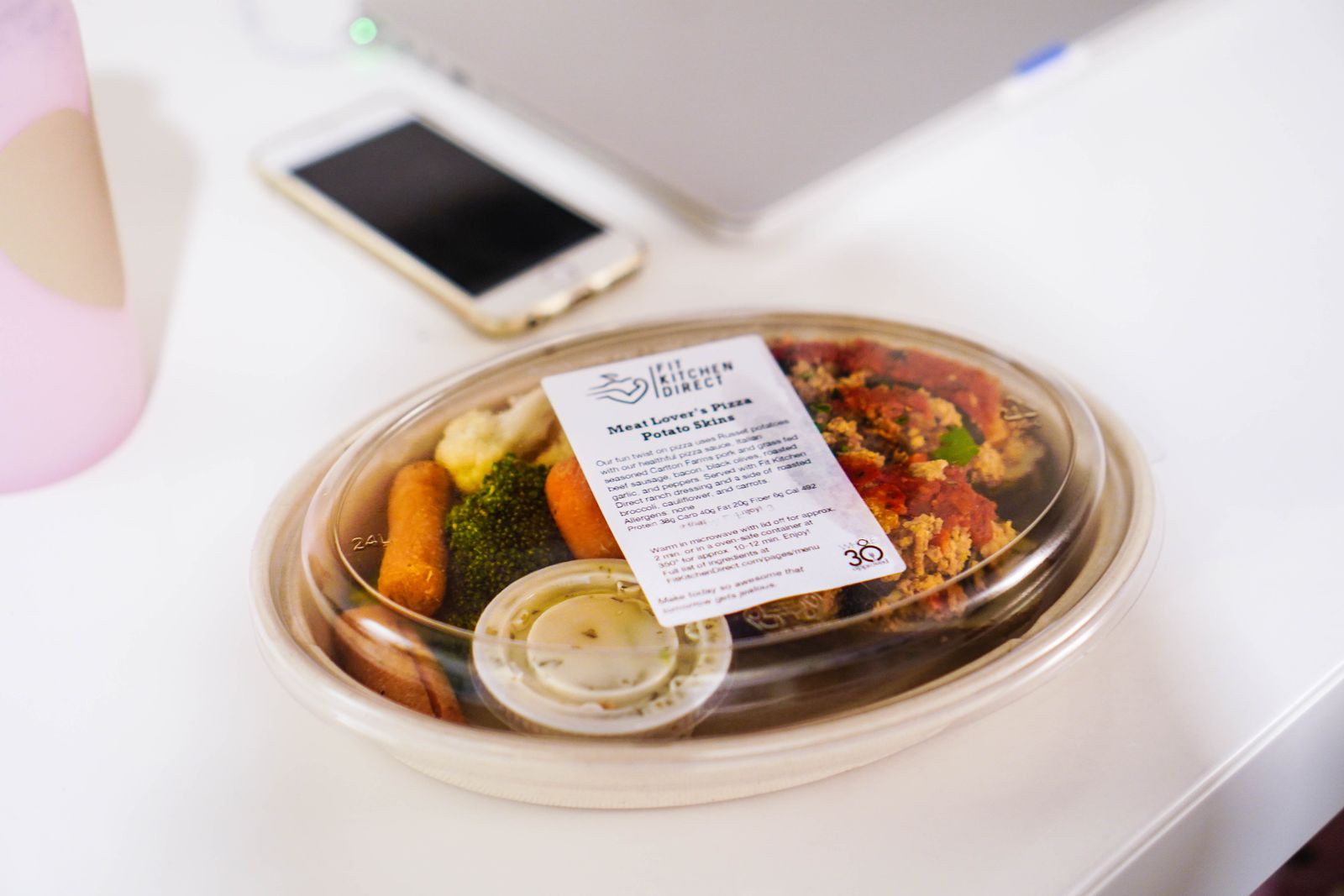
It's seven in the morning, time is extremely tight, and you're left with only two options: leave without a proper breakfast, or grab a quick meal on the way that costs more than expected and usually lacks any real nutritional value. This scenario repeats daily for many employees and students, and the fix isn't waking up an hour earlier — it's adopting the "meal prep" habit, which became popular for a good reason: it saves time and money, and genuinely improves the quality of what we actually eat.
✅ Set aside just one hour on the weekend
Meal prepping doesn't mean cooking every single day — it means dedicating one block of time, often on Sunday, to prepare several meals at once and split them into ready containers for the whole week. One hour of planning once a week saves you hours of daily "what am I eating today?" deliberation and significantly cuts the chances of falling back on unhealthy options purely out of time pressure.
✅ Pick meals that hold up well to chilling and reheating
Not every food is suited to prepping ahead. Dishes based on rice, whole grains, or grilled or cooked vegetables hold their quality well after a day or two in the fridge, unlike fresh leafy salads, which are best kept separate and added right before eating so they don't lose their texture.
✅ The right container protects the meal as much as the recipe does
A poorly sealed container, or one made from the wrong material, can ruin a carefully prepared meal, whether through leaking liquids or transferring unwanted odors. A stainless steel container with separate compartments keeps foods properly sorted (carbs, protein, vegetables) and handles reheating far more safely than most ordinary plastic containers.
✅ Variety keeps boredom from killing the habit
The main reason people give up on meal prep is getting bored of eating the same dish every day. The fix is simple: prepare base ingredients (protein, carbs, vegetables) separately, and switch up the spices or sauce every day or two to change the flavor without recooking everything from scratch each time.
✅ Start small, don't aim for perfection on day one
You don't have to prep five full meals in your very first week. Start with just two or three, and add more gradually based on what actually fits your comfort and available time. Staying consistent over several weeks matters far more than being perfect for one week and then quitting entirely.
✅ Don't forget healthy snacks between main meals
Many people who start meal prepping focus only on lunch or dinner, forgetting that hunger between meals is usually what drives us toward quick, unhealthy choices. Prepping small portions of nuts, cut fruit, or yogurt into ready containers significantly cuts the odds of grabbing an unhealthy snack from the nearest shop. Spend just five extra minutes during your weekly prep splitting these snacks into small separate containers — this simple step often makes more of a difference long-term than adjusting the main meals themselves.
✅ Start with simple recipes before adding complexity
The biggest mistake beginners make with meal prep is choosing complicated recipes with dozens of ingredients in the very first week, which makes the whole experience exhausting and leads to quitting fast. Start with recipes using just four or five basic ingredients: a protein source, carbs, vegetables, and a simple sauce, then add complexity gradually as you gain experience and speed. Cooking larger batches at once, rather than preparing each ingredient separately for every meal, saves a huge amount of time and energy, especially in a kitchen equipped with practical tools that make cooking in bulk easier. Remember that the goal at the start isn't perfection, but building a habit that lasts, and that requires simplicity above everything else in the first few weeks.
A ready, healthy meal starts with one simple decision: giving up one hour that gives you back many more every week.
Tools that make meal prepping easier
Click here 304 Stainless Steel Lunch Box — keeps food properly sorted and fresh, built to handle daily use at work or school.
Click here Fryer Organizer — organizes your kitchen tools and ingredients, making it easier to prep several meals at once without clutter.
✅ Set aside just one hour on the weekend
Meal prepping doesn't mean cooking every single day — it means dedicating one block of time, often on Sunday, to prepare several meals at once and split them into ready containers for the whole week. One hour of planning once a week saves you hours of daily "what am I eating today?" deliberation and significantly cuts the chances of falling back on unhealthy options purely out of time pressure.
✅ Pick meals that hold up well to chilling and reheating
Not every food is suited to prepping ahead. Dishes based on rice, whole grains, or grilled or cooked vegetables hold their quality well after a day or two in the fridge, unlike fresh leafy salads, which are best kept separate and added right before eating so they don't lose their texture.
✅ The right container protects the meal as much as the recipe does
A poorly sealed container, or one made from the wrong material, can ruin a carefully prepared meal, whether through leaking liquids or transferring unwanted odors. A stainless steel container with separate compartments keeps foods properly sorted (carbs, protein, vegetables) and handles reheating far more safely than most ordinary plastic containers.
✅ Variety keeps boredom from killing the habit
The main reason people give up on meal prep is getting bored of eating the same dish every day. The fix is simple: prepare base ingredients (protein, carbs, vegetables) separately, and switch up the spices or sauce every day or two to change the flavor without recooking everything from scratch each time.
✅ Start small, don't aim for perfection on day one
You don't have to prep five full meals in your very first week. Start with just two or three, and add more gradually based on what actually fits your comfort and available time. Staying consistent over several weeks matters far more than being perfect for one week and then quitting entirely.
✅ Don't forget healthy snacks between main meals
Many people who start meal prepping focus only on lunch or dinner, forgetting that hunger between meals is usually what drives us toward quick, unhealthy choices. Prepping small portions of nuts, cut fruit, or yogurt into ready containers significantly cuts the odds of grabbing an unhealthy snack from the nearest shop. Spend just five extra minutes during your weekly prep splitting these snacks into small separate containers — this simple step often makes more of a difference long-term than adjusting the main meals themselves.
✅ Start with simple recipes before adding complexity
The biggest mistake beginners make with meal prep is choosing complicated recipes with dozens of ingredients in the very first week, which makes the whole experience exhausting and leads to quitting fast. Start with recipes using just four or five basic ingredients: a protein source, carbs, vegetables, and a simple sauce, then add complexity gradually as you gain experience and speed. Cooking larger batches at once, rather than preparing each ingredient separately for every meal, saves a huge amount of time and energy, especially in a kitchen equipped with practical tools that make cooking in bulk easier. Remember that the goal at the start isn't perfection, but building a habit that lasts, and that requires simplicity above everything else in the first few weeks.
A ready, healthy meal starts with one simple decision: giving up one hour that gives you back many more every week.
Tools that make meal prepping easier
Click here 304 Stainless Steel Lunch Box — keeps food properly sorted and fresh, built to handle daily use at work or school.
Click here Fryer Organizer — organizes your kitchen tools and ingredients, making it easier to prep several meals at once without clutter.

